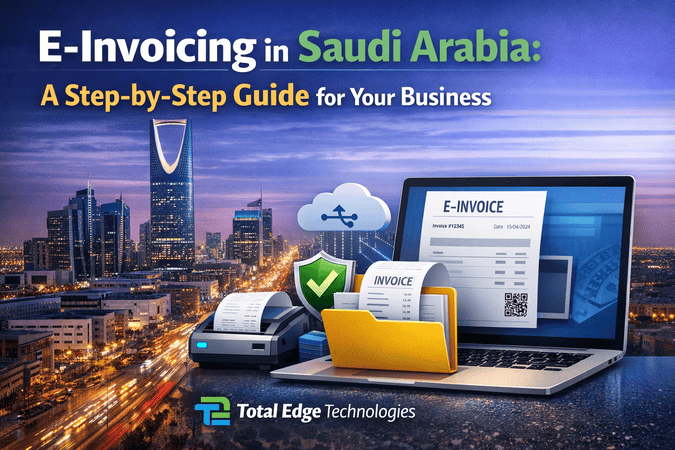
Running a business in Saudi Arabia has never been more exciting—and more demanding. As the Kingdom rapidly transforms under Vision 2030, digital compliance is no longer optional. One of the most important changes businesses must adapt to is e-Invoicing (Fatoorah).
If you’re still relying on manual invoices or outdated accounting practices, now is the time to evolve. This guide breaks everything down in simple, practical terms—no jargon, no confusion—just clear steps to help you stay compliant and future-ready.
What is e-Invoicing in Saudi Arabia?
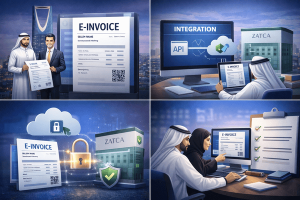
e-Invoicing (known locally as Fatoorah) is a system where invoices are generated, stored, and shared electronically in a structured digital format. It replaces handwritten or scanned invoices with a standardized, secure process.
The initiative is regulated by the Zakat, Tax and Customs Authority (ZATCA), and it’s designed to:
- Reduce tax evasion
- Improve transparency
- Digitize business operations
- Create a more efficient financial ecosystem
In simple terms: every invoice you generate must now follow a specific digital structure and be reported to the authorities.
Why e-Invoicing Matters for Your Business
Many business owners initially saw e-Invoicing as just another compliance requirement. But those who’ve embraced it are seeing real benefits.
1. Fewer Errors, Less Hassle
Manual invoicing often leads to mistakes—wrong totals, missing details, duplicate entries. e-Invoicing eliminates most of these issues.
2. Faster Payments
Digital invoices reach customers instantly, reducing delays and improving cash flow.
3. Better Record-Keeping
No more digging through files. Everything is stored digitally and easily accessible.
4. Stronger Compliance
You stay aligned with Saudi regulations, avoiding penalties or disruptions.
Understanding the Two Phases of e-Invoicing
Saudi Arabia introduced e-Invoicing in two phases, and understanding them is crucial.
Phase 1: Generation Phase (Implemented)
Businesses must:
- Generate invoices electronically
- Include mandatory fields
- Avoid handwritten or scanned invoices
Phase 2: Integration Phase (Ongoing Rollout)
This is where things get more technical:
- Your system must integrate with ZATCA
- Invoices are validated in real-time
- QR codes and cryptographic stamps are required
If you’re entering Phase 2, your system must be fully compliant and connected.
Step-by-Step Guide to Implement e-Invoicing
Let’s break this down into practical steps you can actually follow.
Step 1: Assess Your Current Invoicing System
Start by asking:
- Are you still using manual invoices?
- Is your accounting software compliant?
- Can your system generate XML invoices?
If the answer is “no” to any of these, you’ll need to upgrade.
Step 2: Choose a ZATCA-Compliant e-Invoicing Solution
Not all software is created equal. Your system must:
- Generate invoices in structured format (XML)
- Include QR codes
- Store invoices securely
- Integrate with ZATCA (for Phase 2)
This is where many businesses struggle. Choosing the wrong system can lead to compliance issues later.
Working with experienced providers like Total Edge Technologies can simplify this process significantly, especially if you want a solution tailored to your business size and industry.
Step 3: Ensure Mandatory Invoice Fields
Every invoice must include:
- Seller name and VAT number
- Invoice date and time
- Unique invoice number
- Description of goods/services
- VAT amount and total
- QR code (for simplified tax invoices)
Missing even one of these can make your invoice non-compliant.
Step 4: Implement Security Features
This is not just about generating invoices—it’s about securing them.
Your system must:
- Prevent invoice tampering
- Maintain audit logs
- Apply cryptographic stamps (Phase 2)
Think of it as adding a digital fingerprint to every invoice.
Step 5: Integrate with ZATCA (Phase 2)
For businesses in Phase 2, integration is mandatory.
This involves:
- Connecting your system via API
- Sending invoices to ZATCA for validation
- Receiving clearance before sharing invoices (for standard invoices)
This step can be technical, and many businesses prefer expert support to avoid delays or errors.
Step 6: Train Your Team
Even the best system won’t help if your team doesn’t know how to use it.
Make sure your staff understands:
- How to generate compliant invoices
- What details are required
- How to handle errors or rejections
A short training session can save hours of confusion later.
Step 7: Test Before Full Implementation
Before going live:
- Generate test invoices
- Check compliance requirements
- Verify integration with ZATCA
Fix any issues early—this is your safety net.
Common Mistakes Businesses Should Avoid
Even well-established companies make these mistakes:
- Using non-compliant software
- Ignoring Phase 2 requirements
- Missing mandatory invoice fields
- Delaying implementation until deadlines
- Not backing up invoice data
Avoiding these can save you from penalties and operational headaches.
Benefits Beyond Compliance
Here’s the part many businesses overlook: e-Invoicing isn’t just about following rules—it’s about improving how your business runs.
Once implemented, you’ll notice:
- Smoother financial workflows
- Real-time reporting
- Better decision-making with accurate data
- Increased trust with clients and authorities
It’s not just a legal requirement—it’s a business upgrade.
How the Right Partner Makes a Difference
Let’s be honest—this process can feel overwhelming, especially if you’re not tech-focused.
That’s why many businesses choose to work with experts like Total Edge Technologies, who understand both the technical and regulatory sides of e-Invoicing in Saudi Arabia.
Instead of trial and error, you get:
- Proper system setup
- Seamless integration
- Ongoing support
- Peace of mind
Final Thoughts
e-Invoicing in Saudi Arabia is not a temporary change—it’s the future of doing business in the Kingdom.
The sooner you adapt, the smoother your transition will be. Businesses that act early are not just staying compliant—they’re gaining a competitive edge.
If you approach this step-by-step, with the right tools and guidance, the process becomes far less intimidating and far more rewarding.
FAQs:
1. Is e-Invoicing mandatory in Saudi Arabia?
Yes, all VAT-registered businesses must comply with ZATCA’s e-Invoicing regulations.
2. What happens if my business is not compliant?
Non-compliance can lead to penalties, fines, and operational disruptions.
3. Do small businesses need e-Invoicing?
Yes, if they are VAT-registered, regardless of size.
4. What is the difference between Phase 1 and Phase 2?
Phase 1 focuses on generating electronic invoices, while Phase 2 requires integration with ZATCA systems.
5. Can I use any accounting software?
No, your software must be ZATCA-compliant and meet all technical requirements.